
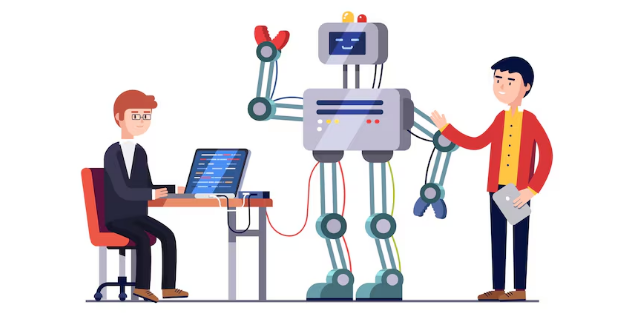
Paid search advertising has revolutionized the way businesses connect with customers. With the increasing reliance on platforms like Google Ads, many marketers have embraced the power of automation to streamline campaigns, optimize bidding strategies, and improve efficiency. However, despite the clear advantages of automation, it’s crucial to understand that these systems cannot operate in a vacuum. Automation fails without human oversight in paid search—here’s why.
In this article, we’ll explore the reasons why human involvement is essential in maximizing the effectiveness of automated paid search campaigns. We’ll also discuss how automation and human expertise can work together to create successful, scalable search advertising strategies.
The Rise of Automation in Paid Search
Paid search automation has become a staple in digital marketing. Google Ads, for example, offers a range of automated features designed to optimize bids, keywords, and ad placements. These tools use machine learning (ML) and artificial intelligence (AI) to analyze vast amounts of data and make real-time decisions. Some key automation features include:
- Automated Bidding: Platforms adjust bids based on target cost-per-acquisition (CPA) or return on ad spend (ROAS) goals, seeking to achieve the best results at the most efficient cost.
- Responsive Search Ads (RSAs): These ads dynamically adjust their content based on user search queries, allowing for more personalized ad experiences.
- Dynamic Keyword Insertion (DKI): Automatically inserts relevant keywords into ads based on search queries to increase relevance and ad performance.
- Automated Targeting: AI tools can help identify high-performing audience segments and automatically target them to improve ad relevance.
While automation offers significant advantages, especially in terms of time-saving and efficiency, it isn’t flawless. Let’s take a closer look at why human oversight is necessary to complement automation in paid search campaigns.
1. Contextual Understanding
One of the key reasons automation falls short in paid search is the lack of contextual understanding. Automated systems work by analyzing data and identifying patterns, but they do not inherently understand the nuances and context behind search queries.
For example, an automated bidding system may optimize for a high conversion rate, but it doesn’t understand whether the conversion is genuinely valuable to your business. Human marketers, on the other hand, can interpret the meaning behind a search query or a customer’s intent, ensuring that automation is targeting the right audience at the right time.
Example:
Consider a scenario where a customer searches for “luxury cars” and clicks on an ad for a mid-range sedan. The automated system may view this as a “conversion” because the user clicked, but a human marketer might recognize that the user’s intent was not aligned with the ad content. A human could pause or adjust the campaign accordingly to improve targeting.
2. Managing Negative Impact of Poor Data
AI and machine learning algorithms thrive on data, but they can only work with the data they’re given. If the data fed into the system is incomplete, misleading, or of poor quality, automation can produce skewed results that negatively impact campaign performance.
Humans are needed to interpret and verify the quality of data, ensuring that the right information is being used to drive decisions. Without this oversight, poorly structured data can lead to:
- Irrelevant ad placements
- Inefficient bid adjustments
- Wasted ad spend
- Missed opportunities for optimization
Example:
An automated system might identify a trend that certain geographic locations are performing well for a particular product. However, if the data source is inaccurate—say, tracking IP addresses incorrectly—the system might target the wrong regions or even waste ad spend on non-targeted areas. A human analyst can spot such errors and make adjustments before the damage is done.
3. Adaptation to Market Shifts and Trends
Paid search campaigns need to be agile in the face of changing market conditions. User behavior, competition, and external factors like seasonal demand can shift quickly. Automation alone often struggles to adapt in real-time to these changes, especially when it comes to adjusting ad copy, bidding strategies, or keyword targeting.
Human oversight is crucial for keeping up with these market dynamics. While automation can suggest optimizations, humans can make strategic decisions based on a broader understanding of industry trends, competition, and shifts in customer behavior.
Example:
In a competitive industry, an automated bidding strategy might raise bids on high-performing keywords without considering recent changes in market prices or competitor activity. A human manager can adjust bids based on broader context, such as competitor ad budget increases or changes in customer demand.
4. Creative Control and Brand Voice
Automated systems can optimize ad content and keywords, but they cannot guarantee that ads will reflect the brand’s voice or tone. Creative control is essential for ensuring that ads align with a brand’s messaging, tone, and overall strategy.
For example, while automation can dynamically create different versions of ads through responsive search ads (RSAs), the output might be generic or lack the emotional appeal that resonates with your audience. Humans can provide the necessary oversight to make sure the messaging remains consistent with brand values and appeals to the target audience effectively.
Example:
A luxury brand might want to ensure that its paid search ads convey a sense of exclusivity, elegance, and sophistication. While automated systems can test different headlines and descriptions, a human marketer can refine the ad copy to ensure it matches the luxury brand’s voice.
5. Fine-Tuning Strategy Based on Business Goals
Automation is great for optimizing operational tasks like bid adjustments and targeting, but it often lacks the strategic foresight required to align a paid search campaign with overarching business goals. Whether you’re trying to raise brand awareness, capture leads, or push for a specific ROI, human oversight is necessary to ensure that automation is working toward these goals.
Humans can also make judgment calls that automation cannot. For example, deciding when to shift budget allocations based on campaign performance, when to pause certain keywords, or when to adjust ad copy in response to external events (like a competitor’s new launch).
Example:
If a company is running a special promotion for a limited time, a human campaign manager will need to adjust the strategy—perhaps by allocating more budget to ads targeting users who have shown intent related to the promotion. Automation will only respond to historical data and might not capture the urgency or promotional nature of the campaign.
6. Avoiding Over-Reliance on Automation
Another danger of over-relying on automation in paid search is the potential for complacency. If marketers delegate all aspects of their campaigns to automated systems without actively managing and reviewing them, performance can deteriorate over time.
Automation often thrives on patterns and historical data, but market conditions are constantly changing. A purely automated approach can lock you into outdated strategies that no longer resonate with your audience or reflect new business realities. Human oversight ensures that your campaigns stay fresh, relevant, and adaptable.
7. Maintaining Ethical and Legal Compliance
Automated systems are designed to optimize performance, but they may not always take into account ethical or legal considerations, particularly in industries with strict regulations. For example, certain keywords or ad placements might unintentionally violate privacy laws, mislead users, or fail to meet accessibility standards.
Human oversight is vital to ensure that campaigns stay within ethical boundaries and comply with industry regulations. This might involve monitoring for misleading ad copy, ensuring accessibility for users with disabilities, or preventing the targeting of vulnerable groups.
Example:
An automated system might bid aggressively on keywords related to sensitive health topics without considering the ethical implications of targeting individuals who may be at a vulnerable moment in their lives. A human manager can assess the ethical concerns and adjust targeting accordingly.
8. Effective A/B Testing and Experimentation
Automation can help streamline A/B testing and experimentation, but it often lacks the intuition required to design meaningful tests that reflect the business’s specific objectives. A human marketer can design experiments with clear hypotheses, making sure that tests are aligned with strategic goals.
While automation can assist in running these experiments, humans are needed to analyze the results, draw insights, and make informed decisions based on broader strategic thinking.
Conclusion
While automation in paid search provides immense value in terms of efficiency, scale, and data analysis, it cannot replace human judgment, creativity, and strategic thinking. Human oversight ensures that automation works within the context of your business goals, provides the necessary adaptability in the face of market changes, and maintains ethical standards. The most successful paid search campaigns will combine the power of AI-driven automation with human expertise to create a harmonious, data-driven, and strategic approach.
In the end, automation in paid search is a tool, not a substitute for human expertise. By integrating both, you can maximize the potential of your campaigns, optimize performance, and maintain control over your brand’s voice and strategy.